
Okay, so check this out—I’ve been messing with Solana wallets in my browser for years. Wow! My first impression was pure excitement. Then some things started to bug me. Initially I thought browser wallets would be seamless, but then I realized the real work is in the tradeoffs between convenience, security, and ecosystem fit.
Seriously? Yes. Wallet extensions are both liberating and a little nerve‑wracking. They let you jump into NFT drops and DeFi in seconds, though they also make you rely on a tiny piece of software to guard sometimes very large sums. Hmm… that tension is the crux of choosing the right Solana wallet. My instinct said “go with the big names,” but that’s not always sufficient; sometimes smaller projects innovate faster, and sometimes they leave somethin’ half finished.
Here’s what bugs me about the current landscape: onboarding is inconsistent, auto‑approvals can be scary, and UX patterns vary so much that users make avoidable mistakes. On one hand wallets like Phantom feel polished and muscular. On the other hand, I keep thinking about permission prompts that are too vague—or approval flows that default to broad scopes. Actually, wait—let me rephrase that: the problem isn’t just the wallet, it’s how dApps and wallets communicate intent and risk to users.
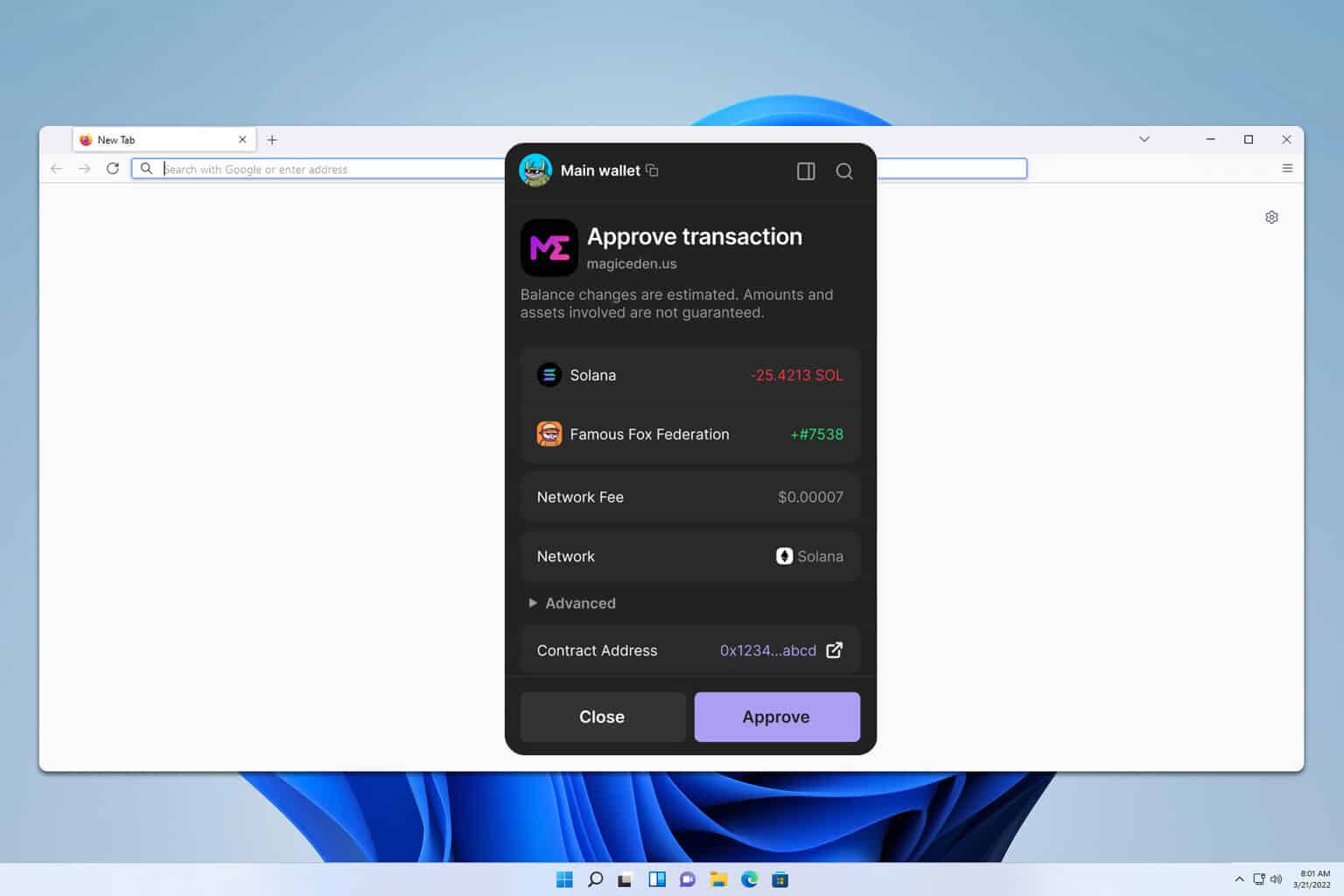
What a good Solana browser wallet should do
Fast access to your NFTs and tokens. Short. Clear permission requests. Medium. A sensible recovery flow that doesn’t ask you to write down twenty words as if it’s 2017 forever, though actually the seed phrase remains the bedrock for most wallets. My view is practical: if the wallet doesn’t make it obvious what you’re signing, then it’s failing at its most basic job. Seriously, that is non‑negotiable.
Security should be layered. I always look for hardware wallet support. Wow! Local encryption of private keys is also crucial. On the usability side, a good wallet balances fewer clicks with explicit confirmations for risky actions. Initially I thought one‑click approvals were fine, but then I realized repeated small approvals add up to a big attack surface. On the other hand, too many confirmations frustrate active traders and collectors—so the UX needs to be smart, not noisy.
Integration matters. dApps must work smoothly with the wallet. That’s where the ecosystem value lies. If the wallet has good dev docs and a consistent provider API, you get fewer broken integrations and fewer angry users in Discord. I’m biased, but I prefer wallets that publish clear change logs and versioned APIs. It makes upgrades less scary.
Phantom, Solflare, and the rest — what really differs
Phantom is the big one; folks often pick it by default. Really? Yes, because it nails a clean onboarding and a simple NFT gallery. Phantom also pushes UX patterns that many dApps adopt. My instinct said “trust but verify” though—watch for permission wording. Solflare has deeper staking and validator tools. It’s more feature‑rich for power users, but that complexity can intimidate newbies. Then there are smaller wallets that experiment with social recovery or multi‑sig friendly flows, which is neat.
Here’s a practical tip: install the wallet extension, create a burner account, and simulate a few actions before migrating your main funds. Short. Do small tests with NFT mints and token swaps on devnets. Medium. If the extension asks for broad permissions on the first use, that should raise a flag—pause and dig deeper. On one hand you want frictionless UX; on the other, you don’t want blanket approvals that anyone can misuse.
Okay, so check this out—if you want an easy place to start, you can get Phantom quickly from here. Wow! That link takes you to the official extension download guidance page. I mention that because install origin matters: always verify the extension store listing, the publisher, and the web origin of the dApp you’re connecting to. I’m not 100% sure every user will do that, but it’s a habit worth forming.
Common pitfalls and how to avoid them
Reusing a single wallet for everything. Short. That amplifies risk. Medium. Instead, create separate accounts for main funds, trading, and collectibles; use hardware for cold storage. Also, watch out for phishing clones in extension stores. They sometimes mimic icons and descriptions. My first time I almost clicked a fake listing—ugh, that was a learning moment. Something felt off about the publisher name, so I paused. That pause saved me.
Auto-signing dApps. Beware. Some marketplaces request approval to spend any token of a type you own, which is convenient but risky. On the flip side, repeatedly approving each spend is tedious. The better solutions offer granular allowances and expiration times. Initially I thought “allow all” would simplify life, but then I realized it increases exposure to drains if a dApp is compromised.
Recovery processes that assume perfect memory. Also annoying. If your seed phrase is your only backup, that’s fine, but the UX should present alternatives for typical users—like encrypted cloud backups, social recovery schemes, or multi‑sig patterns. I’m biased toward multi‑sig for long‑term holdings, because it reduces single points of failure, even though setup is admittedly more complex.
Developer and power‑user considerations
If you’re building a dApp, treat wallet UX as part of your product. Short. Document expected permissions and provide explicit help text on signing dialogs. Medium. Use the wallet provider APIs correctly and gracefully handle user cancels. On one hand, dApp devs want to minimize friction; on the other hand they must present clear reasons for each permission. Balance is key.
For power users, hardware signing is king. Seriously? Absolutely. It prevents many supply‑chain and extension compromise scenarios. That said, hardware plus extension pairing adds complexity and sometimes fails on the first try—so allow for retries and have clear troubleshooting docs. My instinct says builders should log non-sensitive UX telemetry to help diagnose common flow failures—without compromising privacy, of course.
FAQ
How do I choose between Phantom and other wallets?
Pick Phantom for smooth onboarding and broad dApp support. Choose Solflare if you want stronger staking features. Try smaller wallets for innovative recovery features. Also test with a burner account first—don’t dump funds right away. I’m biased, but starting small saves headaches.
Is it safe to store NFTs in a browser wallet?
Yes, but with caveats. For everyday collectibles used in drops and trades, browser wallets are fine. For rare high‑value NFTs, consider hardware wallets or multi‑sig custodial arrangements. Short term access and long term custody should be treated differently. Hmm… there’s no one‑size‑fits‑all answer here.
Why a Solana browser wallet matters — and how to choose the right extension
Okay, so check this out—wallets on Solana are not just wallets anymore. Wow! They are identity layers, NFT galleries, and the easiest onramps to a bustling ecosystem that moves fast and sometimes gets messy. My instinct said I should treat extensions like small vaults on my desktop, and that feeling held up after a few mistakes and one close call. Initially I thought all wallets were roughly the same, but then I started testing extensions side-by-side and noticed huge UX and security gaps that matter when you’re sending SOL or minting an NFT.
Seriously? Yes. The difference between a well-designed extension and a shabby one can mean the difference between clicking to approve a transaction and giving away access to your seed phrase. Hmm… somethin’ about the UI can tip you off to whether the dev team cares. On one hand a slick UX makes onramping feel frictionless. On the other hand, slick can be deceptive if security basics are missing. Actually, wait—let me rephrase that: smooth UI plus concrete security primitives equals a good experience.
Here’s the thing. If you’re exploring the Solana NFT world or holding SOL and SPL tokens, a browser extension is the fastest way to interact with marketplaces, games, and DeFi. Really? Really. It installs in seconds, sits in your toolbar, and can connect to sites with one click—yet that same convenience is why you must be careful. Phishing pages and fake extensions mimic real ones, so you should always verify the source and check permissions before connecting.
How I vet a Solana extension (practical checklist)
I use a quick, repeatable checklist when I evaluate an extension and you can too. First, confirm the developer name and reviews in the browser store. Second, check whether the extension supports hardware wallets or has an easy way to export/import encrypted keys. Third, look at how it displays transaction details—does it show the program being invoked and the SOL or token amounts in plain language? If those parts aren’t clear, stop and re-check. When I want to install a popular option, I often download from the project’s official site — like this one here — rather than clicking random ads in search results.
Why that link? Because official sources lower risk. Okay, fine—that’s not foolproof. But it’s better than an unknown mirror. On a practical note, I also check whether the extension alerts you when a dApp requests signing for non-standard instructions. If it doesn’t, that’s a red flag. And, oh — by the way… always look at the extension’s permission scope in Chrome or Firefox before pressing install. Don’t just click accept because the button is blue.
Primary features you should care about
Wallet creation flow: good extensions let you create a password, generate the seed phrase, and give clear offline backup instructions. Wow! Seed phrases should be shown only once and never stored in plain text. Recovery options: does the extension let you restore using a 12 or 24-word seed? Does it support hardware wallets like Ledger? If the answer is yes, that extension deserves extra trust.
Transaction clarity matters a lot. Medium sentences about UX hide complexity, so here’s the long view: you want an extension that breaks down a transaction into source, destination, token type, and program calls so you can spot a malicious swap or a suspicious NFT approval before hitting confirm, because once you sign, reversing on-chain is practically impossible. I’ll be honest — this part bugs me when teams bury these details behind icons or tiny fonts.
NFT handling: some extensions include galleries so you can see owned NFTs and check metadata. That’s handy. But metadata can lie, especially with lazy-minted collections or IPFS links that point to new content. I’m biased, but I prefer wallets that show the mint address and let me view raw metadata if I want to dig in.
Security practices I actually follow
Never share your seed phrase. Short. Never. If a site asks for it to “restore” in-browser, that is almost always a scam. Use a hardware wallet for large balances. Seriously. Use it. I keep most funds cold and only move small amounts to the extension for daily interactions. Initially I thought hot wallets were fine for everything, but then I lost a few rare opportunities because my keys were locked up — tradeoffs, right?
Use a separate browser profile for Web3. That isolates your wallet from everyday browsing. Also, keep your browser updated and uninstall unused extensions — fewer attackers’ vectors. On one hand, using a password manager helps with phishing detection because it won’t autofill on fake domains. Though actually, autofill can be exploited — so restrict autofill where possible. Work through contradictions and build a personal workflow that balances convenience and safety.
Check transaction fees and timing. Solana fees are generally low, but congestion or program retries can change cost and behavior. When a dApp asks for unlimited approvals to transfer tokens, reduce the allowance or sign per-transaction instead. That small discipline prevents permissions creep over time.
FAQs — quick answers
Q: Is a browser extension enough for NFTs?
A: For small, everyday NFT browsing and buying, yes. But for holding high-value NFTs or large SOL positions, pair the extension with a hardware wallet. Treat the extension as your interaction layer, not your vault.
Q: How can I spot a fake wallet extension?
A: Look for official verification badges, check developer details, read recent reviews (watch for review spam), and verify the download link on the project’s official social accounts or website. If somethin’ feels off, pause—double-check before installing.
Q: Can I use one extension for multiple Solana dApps?
A: Yes. That’s the main point: one extension can connect to many dApps. But be mindful of the permissions you grant each dApp and disconnect when you’re done. Also revisit connected sites periodically and revoke old connections.
Alright — wrapping up without being boring: extensions are necessary, convenient, and sometimes risky. My gut says treat them like hand tools: useful, but respect the blade. Over time you’ll develop habits that make interactions smooth and safer. Oh and one last thing — keep learning. This ecosystem changes fast, and the right extension today might look different tomorrow. I’m not 100% certain about everything; there are new features and tradeoffs cropping up every quarter, but if you adopt cautious habits now you’ll be ahead of most folks.
