
Whoa!
I was deep in a three-protocol yield loop last week when a single weird popup stopped me cold. My gut said don’t click. At first I shrugged it off—this stuff happens—but something felt off about the gas estimate and the approval flow. Initially I thought it was a flaky node, but then I realized the simulated call showed a token approval to a proxy I didn’t recognize, and that changed everything because on-chain approvals are how you hand someone the keys.
Seriously?
Yeah. Somethin’ about handing a contract unlimited approval still makes my neck prickle. My instinct said this looked like a phishing trick dressed up as a legitimate interaction, and that immediate emotional reaction saved me a five-figure mistake. On the one hand it’s easy to tell yourself you’ll catch the scam later. Though actually, wait—let me rephrase that: you might not catch it unless you replicate the exact call with a simulator that shows state changes, slippage, and account approvals in a readable way.
Here’s the thing.
Transaction simulation is not just a back-of-envelope estimate. It’s a deterministic replay of what a transaction would do on-chain if executed with current mempool conditions, gas settings, and contract code. Good simulation tools will show token movements, internal calls, and potential reverts before you sign anything, which converts abstract risk into concrete, actionable insight. That conversion is why simulation belongs in the front-line UX of any serious wallet and not buried in dev tools where average users never venture.
Hmm…
DeFi protocols are weirdly combinatorial. A simple swap into a pooled position can trigger vault rebalances, flash loans, and callbacks that your wallet didn’t even mention. Simulators help you visualize those hidden steps, and in turn they let you catch sandwich attacks, front-running vulnerabilities, and unusual approval requests that would otherwise be noise. When a simulator tags a path as unusually gas-heavy or shows an approval to a non-revoked operator, that’s the red flag you want to see before you hit confirm, because the cost of ignoring it is real and often irreversible.
Okay, so check this out—
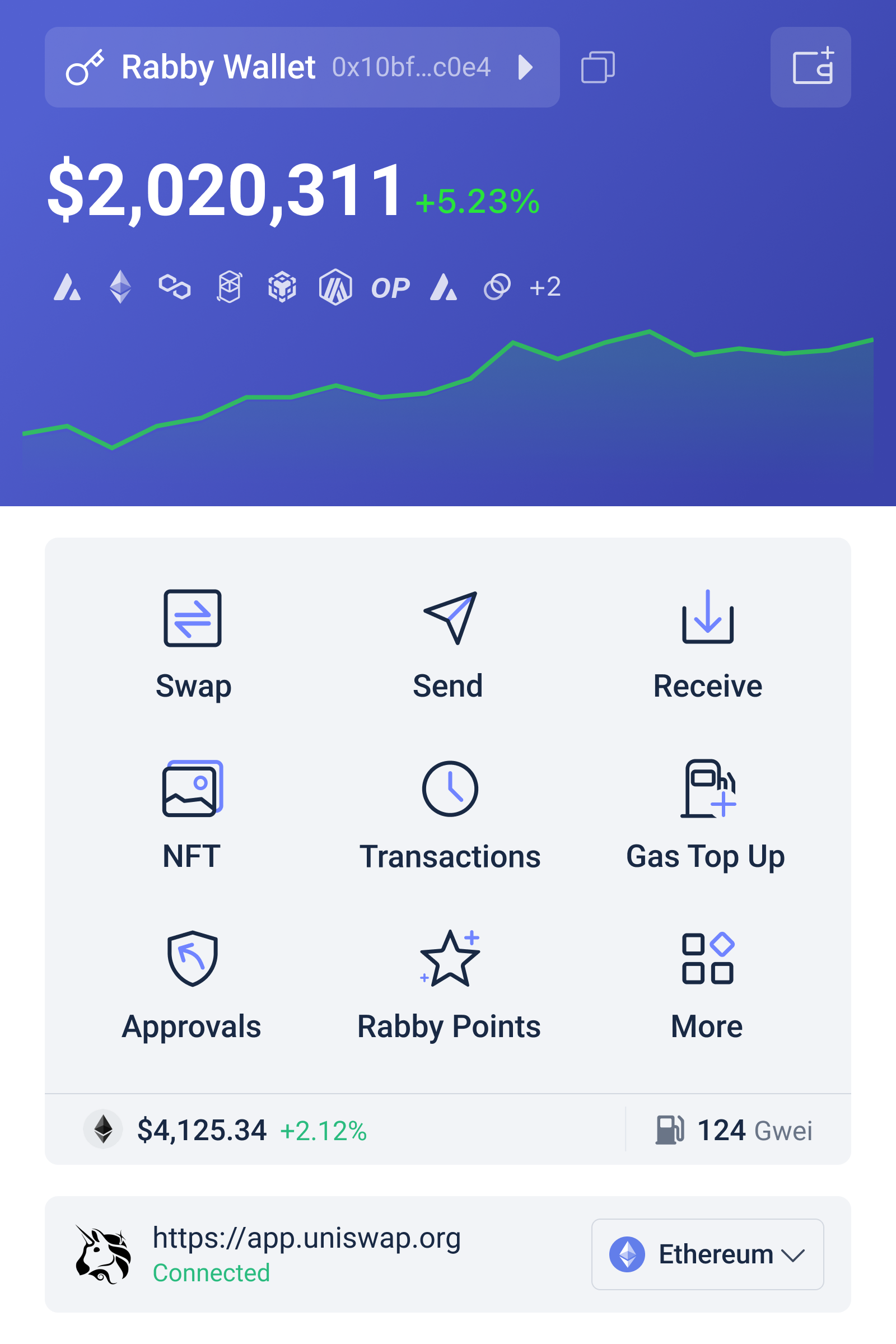
That image is the kind of “aha” moment I mean, where you watch a simulated trace and say, oh snap, this contract delegates control. I’m biased, but I think good UX should surface that trace in plain language, not just a raw stack trace. Some wallets show logs, others show nothing at all, and the ones that show nothing are the ones that get people into trouble.
Listen—
I once nearly signed a multisend that bundled an approval with a harmless-looking swap. Something felt off, and my instinct told me to simulate despite the awkward UX. The simulation replayed an internal transfer that routed tokens through an intermediary address, and without that step I would’ve missed a backdoor where tokens could be drained slowly over time. On the practical side, having that simulation gave me leverage to cancel the sequence and reach out to the protocol team, saving a friend’s position and a lot of grief.
How a Wallet Should Present Simulations
If you want the short version: simulate every state-changing call and summarize the risks up front. The simulator should parse internal calls, flag approvals, estimate slippage with ranges, and present a simple risk score so you can decide quickly. It should also allow sandboxed modifications—like changing gas or slippage—to show alternate outcomes without pushing anything to the mempool. For advanced users you want full trace data; for most people you want clear warnings and “why this matters” text, which sounds simple but is very very important.
I’m not 100% sure every dApp will play nice with every simulator.
On one hand a universal simulator can approximate behavior for most contracts, though actually some contracts rely on off-chain oracles and will show different results live versus simulated because the oracle state changed. Initially I thought that was a niche problem, but watching a lending protocol leverage oracle drift to trigger liquidations made me reassess how fragile composability can be. So the practical takeaway is this: trust simulation, but verify by understanding which assumptions the simulator made about external data feeds and mempool ordering.
Whoa!
Now about tooling: the wallet needs to do more than replay. It should detect suspicious approval patterns like unlimited allowances, identify governance contract interactions that could alter protocol logic, and surface MEV exposure or potential slippage traps. It should also list third parties receiving approvals and show the minimal allowance required versus the one being requested, because reducing approvals is a super easy hygiene step that most people skip. This is where wallets become defensive software, not just signing factories.
Seriously?
Yes—security is part tech, part workflow, part habit. A wallet that simulates transactions and educates users in-context reduces a lot of dumb losses. Tools that only give raw numbers without context teach bad behaviors; they leave room for misreads and for attackers to craft confirmations that look legitimate at a glance. I’m biased toward wallets that put simulation first, and that’s why I often recommend rabby wallet to friends who are heavy into DeFi because it integrates simulation into the signing flow and makes those hidden steps visible.
Okay, quick workflow I use every day.
First, I always simulate on a staging or mainnet fork before submitting large transactions, which lets me see token paths and internal calls without risking funds. Next, I check approvals and reduce allowances when possible, because giving unlimited approvals is like leaving your front door unlocked while you’re asleep. Finally I run a mini–risk assessment checklist: unusual recipients, high gas usage, unexpected internal transfers, and any oracle-dependent calculations that could flip results between simulation and execution.
Hmm…
Interpreting simulation output takes practice; a long trace can look intimidating until you learn the patterns that matter. For example, a single internal approval to a vault contract that you recognize is often fine, though unexpected cross-contract calls or re-entrancy-style patterns are worth pausing for. Initially I thought more detail always meant more safety, but actually too much noisy detail can desensitize users and lead to ignoring the real red flags—the tool needs to surface what matters and hide what doesn’t.
Here’s what bugs me about most risk scoring systems.
They often produce binary outputs that don’t explain tradeoffs, and that’s the worst because users then game the score instead of understanding the risk. A nuanced score that shows components—approval risk, MEV likelihood, oracle reliance, and slippage potential—allows informed decisions and better tradeoffs. On top of that, wallet-level mitigations like automatic allowance revocation, safe gas defaults, and pre-filled revert-safe slippage settings turn simulation insight into safer action.
Whoa!
Look, no tool is perfect. Simulators can have false positives or miss complex cross-chain oracle manipulations, and mempool dynamics can produce outcomes different from simulations. I’m not 100% sure any single wallet will catch everything, and that uncertainty is why layered defenses matter—simulation, manual review, hardware signing, and conservative defaults together reduce risk. Still, the cognitive comfort of being able to see a replay before you sign is enormous, and it changes how you interact with DeFi from frenetic to deliberate.
FAQ
What exactly does a transaction simulator show?
A good simulator shows token transfers, internal contract calls, approval changes, gas usage breakdowns, and whether the transaction would revert under current conditions; it may also estimate slippage and flag common attack patterns.
Can simulators prevent all losses?
No; they reduce avoidable mistakes by exposing hidden behavior, but they can’t predict every mempool reorder or oracle shift, so use them as a high-quality filter rather than an absolute guarantee.
How should I integrate simulation into my daily DeFi workflow?
Simulate before signing, reduce approvals, prefer hardware wallets for large commits, and treat the simulator’s risk summary as a decision checkpoint—if anything looks abnormal, pause and dig deeper.
